USA,
USA,  UK,
UK,  Europe,
  Australia,
  Hong Kong and
  Japan.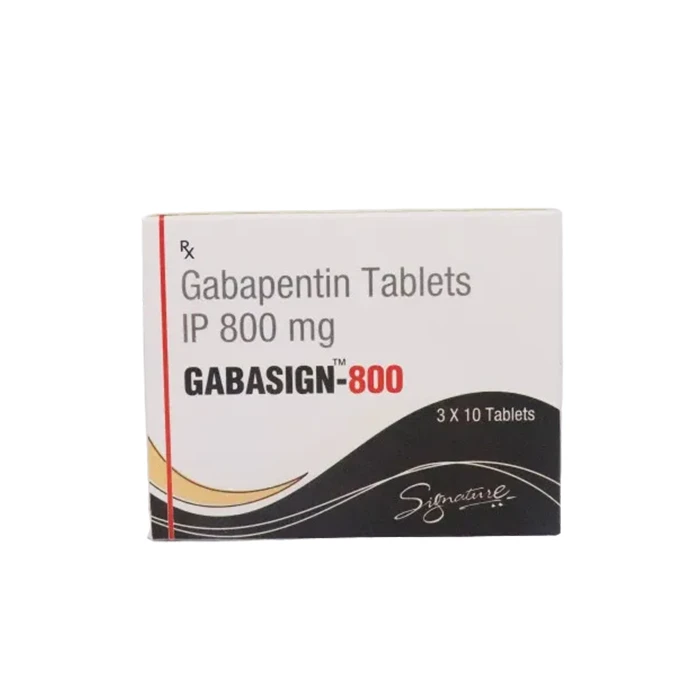
Product Description
Gabasign 800 is an anticonvulsant and analgesic medication formulated to treat nerve-related pain and manage seizure disorders. It works by altering electrical activity in the brain and influencing the transmission of pain signals through the nervous system. By stabilizing overactive nerve cells, it effectively decreases the intensity of chronic nerve pain and helps prevent the onset of partial seizures, allowing individuals to manage debilitating neurological conditions more comfortably.
Key Benefits
- Effective Neuropathic Pain Relief: Alleviates chronic pain caused by nerve damage, including postherpetic neuralgia (pain following shingles) and diabetic neuropathy.
- Seizure Management: Acts as an adjunctive (supporting) therapy to stabilize nerve signals and control partial-onset seizures in adults and children.
- Improves Quality of Life: Reduces the burning, stabbing, or throbbing sensations associated with nerve hypersensitivity, aiding better daily functioning and sleep.
Product Info
- Active Ingredient: Gabapentin (800mg)
- Drug Class: Anticonvulsants / Gabapentinoids
- Dosage Form: Oral Tablet
- Manufacturer: Generic formulation (Signature / Hab Pharmaceuticals)
Usage & Safety
How to Use
- Take Gabasign 800 exactly as prescribed by your doctor. It is typically taken with a full glass of water, with or without food.
- Consistency is key: spread your doses evenly throughout the day. Do not let more than 12 hours pass between doses if you are taking it multiple times a day to prevent seizures from recurring.
- Do not crush, chew, or break the tablet unless advised by a healthcare professional.
Safety Precautions & Side Effects
- Common Side Effects: Dizziness, drowsiness, fatigue, unsteadiness (ataxia), and viral infections in young children.
- Critical Warning: Avoid driving or operating heavy machinery until you know how this medication affects you, as it can significantly impair alertness.
- Interaction Caution: Do not take antacids within 2 hours of taking Gabasign 800, as they can significantly reduce its absorption.
- Sudden Withdrawal: Never stop taking this medication abruptly. Stopping suddenly can trigger severe, continuous seizures or intense withdrawal symptoms. Always taper off under medical supervision.
Frequently Asked Questions
What is Gabasign 800 used for?
Gabasign 800 is primarily prescribed to treat neuropathic pain (pain caused by damaged nerves, such as from shingles or diabetes) and as an add-on medication to control partial seizures in epilepsy patients.
How does Gabasign 800 work in the body?
The active ingredient, Gabapentin, mimics the structure of the brain’s natural calming chemical (GABA) but works by binding to specific calcium channels in the nervous system. This action reduces the release of excitatory neurotransmitters, thereby calming overactive nerves and blocking pain signals.
Can I drink alcohol while taking this medication?
No, it is highly recommended to avoid alcohol while taking Gabasign 800. Alcohol can intensify the side effects of gabapentin, leading to severe drowsiness, dizziness, confusion, and an increased risk of respiratory depression.
What should I do if I miss a dose?
Take the missed dose as soon as you remember. However, if it is almost time for your next scheduled dose, skip the missed dose and resume your regular routine. Never double the dose to make up for a missed one.
Is Gabasign 800 an opioid or a narcotic?
No, Gabasign 800 contains gabapentin, which belongs to the anticonvulsant class of medications. It is not an opioid or a narcotic, though it is used to treat certain types of chronic pain that do not respond well to standard pain relievers.
How long does it take for Gabasign 800 to show results?
For nerve pain, it may take a few weeks of consistent use to notice a significant reduction in discomfort as the dosage is gradually adjusted. For seizure control, it begins working within a few hours, though long-term management requires continuous daily use.
Can Gabasign 800 cause dependency?
While it is not classified as a traditional narcotic, the body can adapt to the medication over time. Stopping it suddenly can cause withdrawal symptoms like anxiety, insomnia, nausea, and sweating. It must always be discontinued gradually under a doctor’s guidance.